
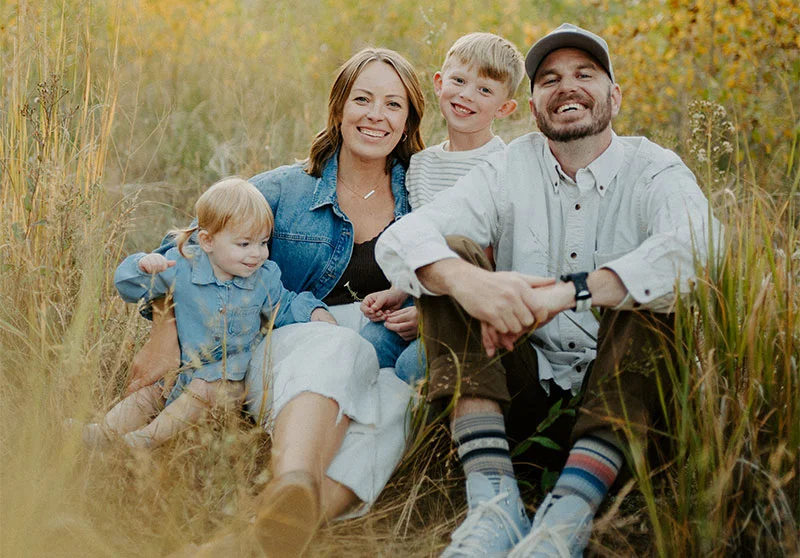
A decade or so into her calling as a pastor and just 18 months after the birth of her son, Mackenzie Matthews had her faith tested as never before when she faced a breast cancer diagnosis when she was just 33.
For Mackenzie, who was steeped in a life of ministering to a community that was an important part of her calling, the disease pushed her to examine her beliefs and come face to face with her fears, all the while tending to the needs of her congregants.
“When you are young and healthy, you never think of the temporary nature of life, but everything is temporary. Being young and the plans I had for my life, my family and my visions — all of that was thrown in the air. I had a lot of uncertainty, a lot of fear and grief, and a lot that rattled me to the core. But I clung to my faith. I didn’t have answers per se, but there were moments when I was at peace,” she said.
It was the end of December in 2021 when Mackenzie learned of her breast cancer diagnosis. It was triple negative, meaning it was aggressive and would necessitate surgery, chemotherapy and radiation treatments to fight it.
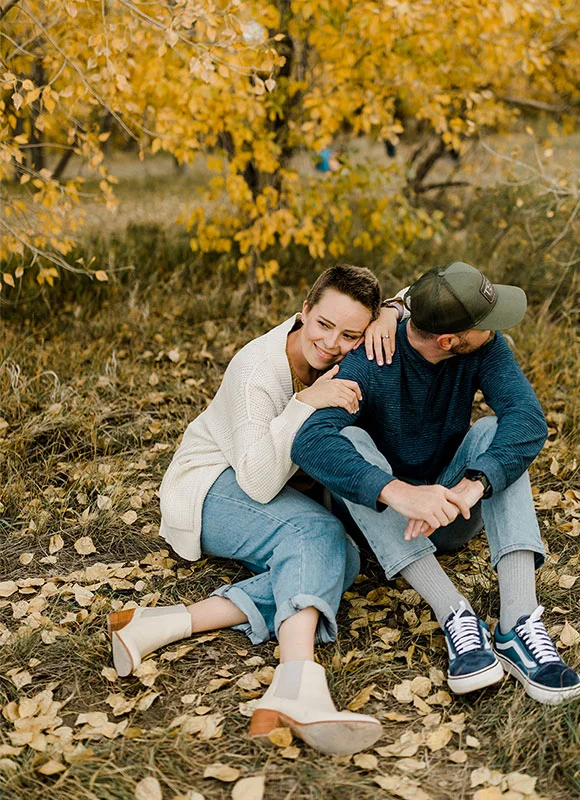
She had recently had a normal breast exam a few months earlier with her OB-GYN, and genetic testing a few years prior had given her a clean bill of health. But when she felt a lump in her breast, Mackenzie sought help immediately.
“What impressed me most about Mackenzie was her proactive breast self-awareness,” said Dr. Diana Medgyesy, medical director for Cancer Genetics and Prevention Program at UCHealth in Northern Colorado and one of Mackenzie’s medical oncologists at the UCHealth Cancer Center on the Harmony Campus in Fort Collins.
“You would think that someone this age would say that after genetic testing and a normal breast exam a few months earlier, ‘I’m OK,’’’ said Medgyesy, who is also an adjoint associate professor of medical oncology at University of Colorado Anschutz School of Medicine.
“She wasn’t complacent. She knew something had changed and she took active steps in solving the problem,” Medgyesy said.
A young mom discovers a breast lump despite a recent normal exam
Born and raised in Littleton, Mackenzie had an idyllic childhood growing up in a close-knit family. She attended Colorado State University and graduated in 2010 with a visual arts degree, as she had once planned to be an art teacher. But her involvement with youth ministries in college led her down a different path, and she realized she had a calling to a pastoral career.
By then, she had met her husband, Justin, while they both worked at a summer ministry camp in northern California in 2007, and they married in 2012. After working in Fort Collins and California, the couple returned to Fort Collins in 2014, where they both worked for a large church for the next 12 years, where they served as pastors.
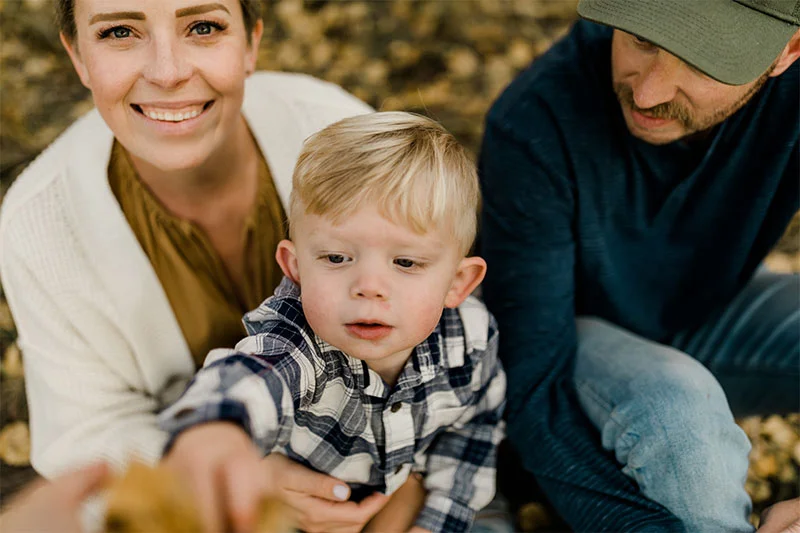
By the end of 2021, the couple was flourishing as a family and raising their 18-month-old son Powell after four years of fertility struggles with several miscarriages. Wanting to have another child was a priority, but one Saturday in November Mackenzie felt a lump in her right breast.
“It was impossible to miss. It was hard and it didn’t move.”
A friend had recently shared a story about her brush with breast cancer, and with that fresh in her mind, Mackenzie didn’t hesitate to call Monday morning for a mammogram.
She had recently had a breast exam from her OB, and genetic testing in 2015 (her maternal grandmother had died of ovarian cancer) had shown no red flags. As she was so young, she clung to the reassurances from the staff at the women’s clinic that the lump was likely a cyst or, at worst, benign.
It was neither.
“Everyone was saying that there was a very small percentage chance that it was something. But it was something. It was really something. I used to say it’s not a ‘thing’ until it’s a thing to temper my hopes and disappointments from our infertility issues, and I didn’t want to live in fear, but there was so much I didn’t know about the diagnosis then.”
What is triple-negative breast cancer?
Mackenzie, 33, had triple-negative breast cancer, which occurs in about 10 to 15% of diagnosed breast cancer cases. This is an aggressive type of breast cancer that tends to grow and spread quickly.
It is called triple negative because the cancer cells lack the three “receptors” usually found in breast cancer — estrogen, progesterone and a protein called HER2. Receptors are proteins on breast cells that use estrogen and progesterone signals to promote healthy cell growth or, when present, cancer cell growth.
But with triple-negative breast cancer, the cancer cells don’t contain estrogen or progesterone receptors or the HER2 protein, and therefore, don’t respond to typical breast cancer treatments.
When she got the news in December 2021, Justin was quarantined in one part of the house with COVID-19, and Mackenzie had put their son to bed. She poured herself a glass of wine and saw the results: “abnormal.”
Her main thoughts were about their toddler Powell.
“If I died, he wouldn’t remember me, and that was so heavy to think about. The journey to have him was long and painful; it was years of infertility and loss, and the thought of me not being here to raise him was a devastating fear. I am well now, but I didn’t know that then.”
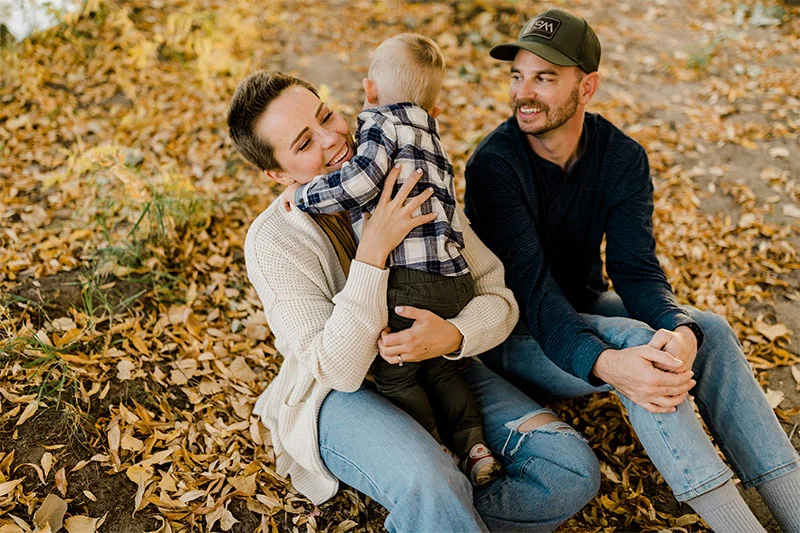
Breast cancer in young women: Why early detection matters
Breast cancer in young women is more tenacious and typically more dangerous than when it occurs later in life. Women ages 45 and younger account for about 10% of new cases of breast cancer in the United States, according to experts at the U.S. Centers for Disease Control and Prevention. Like 75% of young women diagnosed with breast cancer, Mackenzie had no family history of it or genetic predisposition.
Younger women have a higher mortality rate from breast cancer because it is usually not caught as early as it is in women 40 and older who receive annual mammogram screenings. Also, breast cancer in younger women usually involves more aggressive biological features than in older women, for reasons doctors are currently researching.
Unfortunately, by the time a young woman notices a lump in her breast, it’s usually more advanced than if it is caught in a screening in older women.
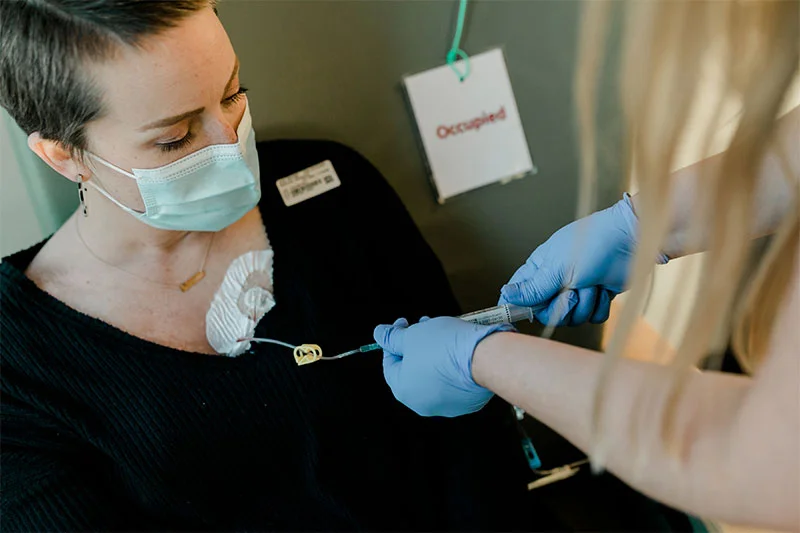
The UCHealth Young Women’s Breast Cancer Translational Program has been providing unique care to women 45 and younger with breast cancer and conducting ground-breaking research since its inception in 2004, with a strong focus on life after breast cancer. There is also a push to help preserve a woman’s fertility, as breast cancer treatment typically pushes young women into medical menopause.
“The key is early detection,” Medgyesy said. “Mackenzie was so perceptive and had a strong support system. She had a lot of trust in her care team.”
She would now have to face a year and a half of a grueling cancer-fighting regimen while also worrying about its effects on her chances of having another child.
Ministering to others while undergoing grueling cancer treatments
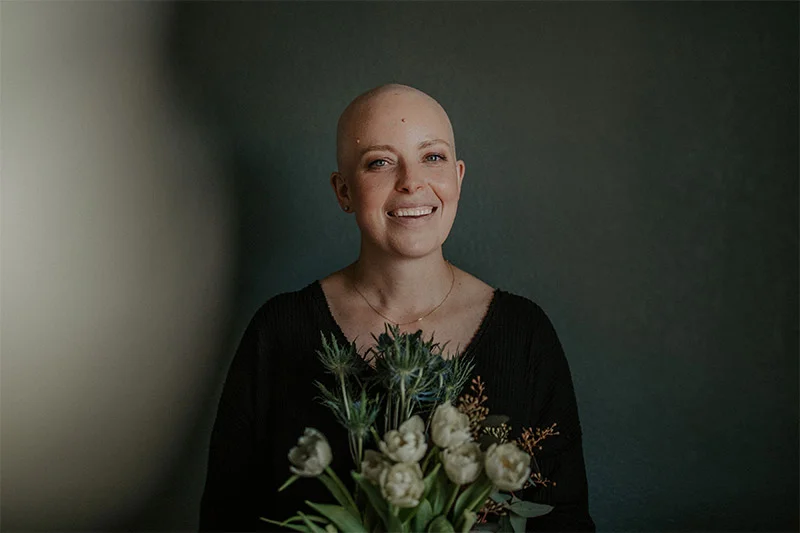
A month after her diagnosis, Mackenzie began breast cancer treatment. It was January 2022, and she continued to work at her church while being a mother, wife and involved community member.
Her regimen, which lasted until May 2023, included 16 rounds of chemo for six months, a year of immunotherapy and 33 days of radiation. She had a double mastectomy followed by reconstructive surgery, along with oral chemo for an additional six months
Amid her battle, she did a sermon about suffering that resonated all too well.
“There was a unique part of this for me, of being a pastor and being sick, which allowed me to connect widely with what I was preaching. I made a lot of connections with others then because I talked about what I was going through. For me, it was how I made purpose about what it was like, and what I was learning while I was in treatment.”
She became close with her UCHealth doctors and nurses, and Justin, her mother and sister, and congregation members and friends were never far.
“I had a great relationship with my care team and felt very cared for during my journey. I recognized many blessings I had from the faith community. My family was super supportive, and everyone stepped in when I didn’t feel good or was fatigued. I was, and am, so grateful.”
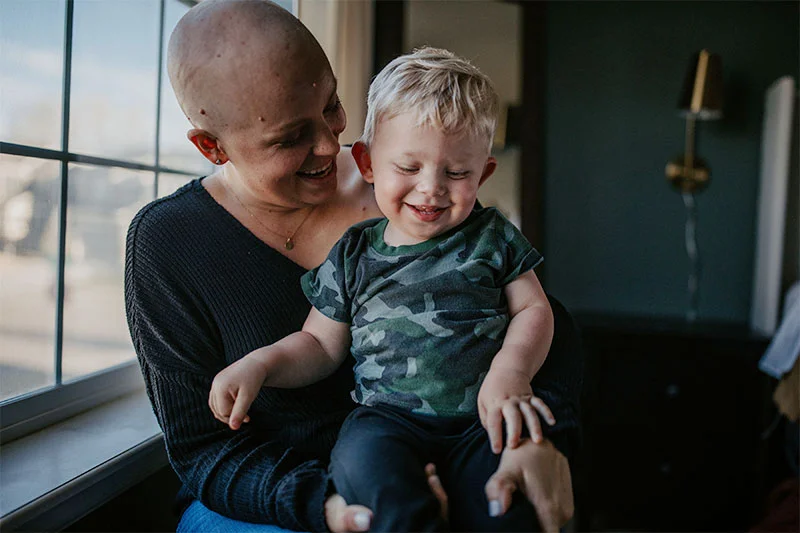
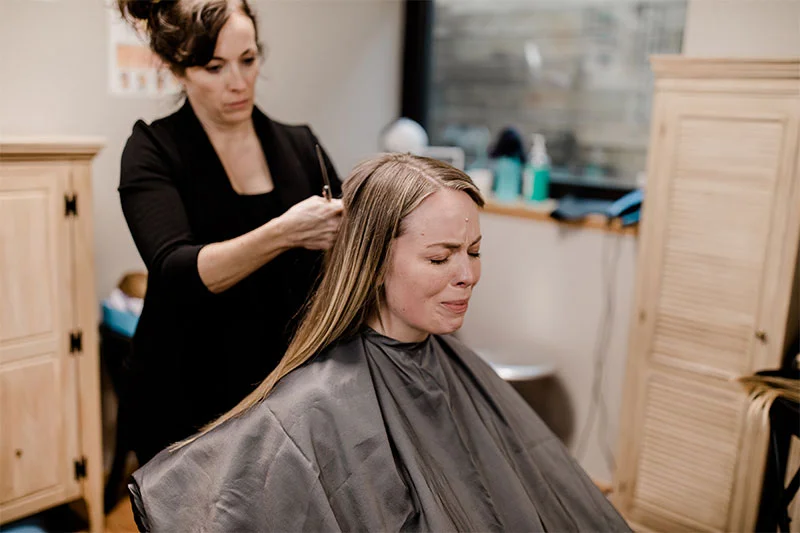
One of the more difficult moments she faced was shaving her head in anticipation of losing her hair to chemo. But she leaned into it, donating her long, blonde locks to charity and buying different wigs in various colors and lengths, along with hats, turbans and scarves.
“I made a choice to shave it. I felt like I was awakening to the reality that I was going to lose my hair so I had it styled and gave it the best treatment I could and then donated it. I wanted to preserve it as a gift for someone else. I didn’t want it to define me.”
Fertility and pregnancy after breast cancer treatment
In years past, young women like Mackenzie faced major obstacles and dashed hopes of getting pregnant after going through chemotherapy because it plunges them into medical menopause. But that has changed.
Along with egg retrieval and banking eggs before cancer treatment begins, the second-best option is to slow down ovaries and protect them with monthly hormone-suppressing drugs during chemo that, in essence, puts them to sleep naturally until the treatment phase is over.
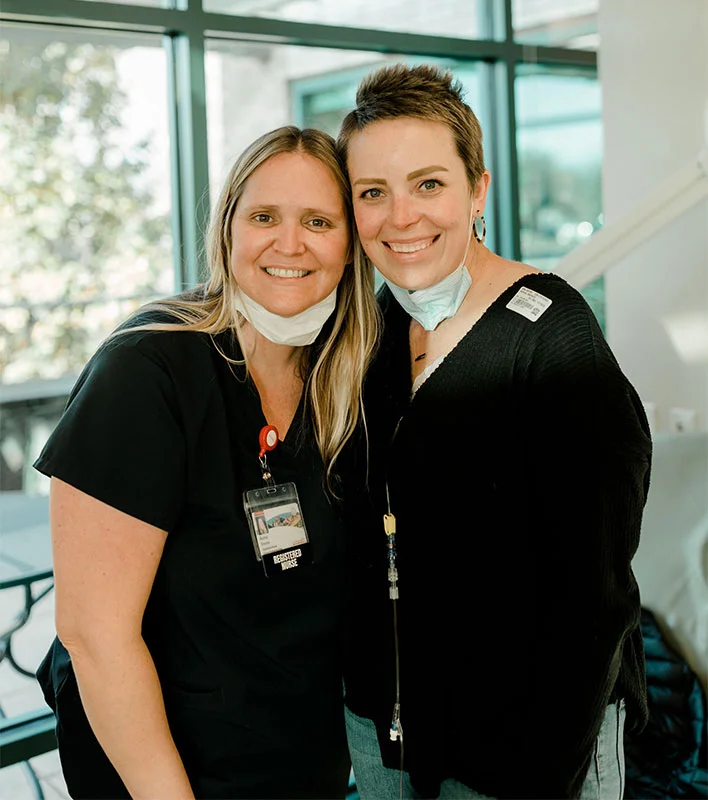
“These hormone-suppressing drugs do it gently, so the brain talks to the ovaries, as opposed to the chemo doing it in an unnatural way,” said Dr. Chelsea D. Gawryletz, one of Mackenzie’s oncologists at the UCHealth Cancer Center on the Harmony Campus in Fort Collins.
Another concern for breast cancer patients is whether pregnancy increases the odds for a breast cancer recurrence.
But thinking around that has changed too.
New research from the past few years has been groundbreaking in showing positive outcomes for young women with breast cancer who want to go on and have children, said Gawryletz, also medical director of the Breast Cancer Program and the Breast Cancer Research Program at UCHealth in northern Colorado.
“We can now tell patients with confidence that their (risk of) breast cancer recurrence doesn’t go up by getting pregnant and having a baby,” Gawryletz said. “Being able to share that news with Mackenzie and other young women is amazing. It is emotional to see all the research coming into practice. What a blessing we can give them this advice.”
After concluding her treatments in spring 2023, Mackenzie assumed her care team would want her to hold off two or three years before she tried to get pregnant. A year passed, and she waited … impatiently, as she wrestled with her fears.
“I wanted another baby and I was disappointed at the thought of waiting that long,” she said. “I asked God for help and three things happened: I had peace, I talked to Dr. Gawryletz, and she gave me her blessing to try right away, and I got pregnant immediately.”
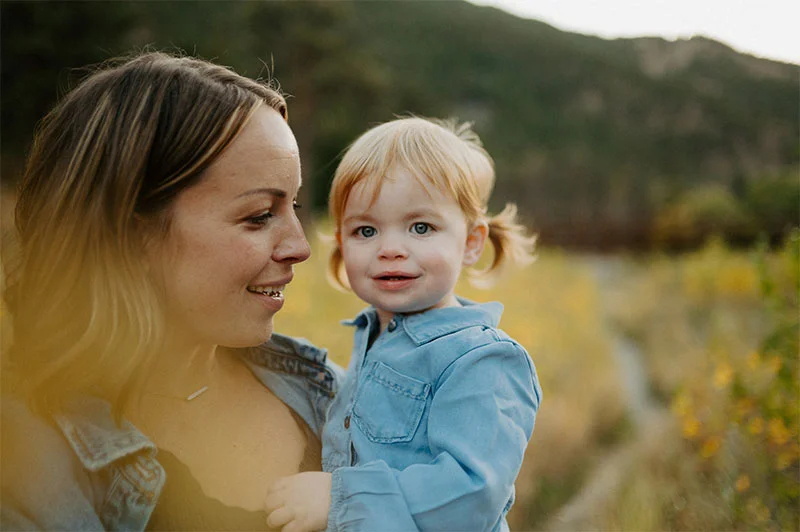
The couple’s daughter Callie was born in January 2025.
“Nine or 10 months after I last saw her, she came back with a baby in hand, and I was in tears,” Gawryletz said. “As an oncologist we are used to dealing with our patients going through chemo, losing their hair, feeling sick, so it was so special to hold Mackenzie’s baby, to see her building her family and know that her risk of cancer reoccurrence was not increased.”
Mackenzie finds strength in faith, family and friends
Since then, Mackenzie and Justin have moved to a new church in Fort Collins, where they serve in different ministry roles, and she sees her doctors every six months for bloodwork. She has also carved out a role speaking to breast cancer patients and sharing her own experiences.
“She conquered cancer and is moving on with life with a smile on her face and encouragement to everyone around her,” Medgyesy said. “It’s very gratifying as a physician to have a patient who thrives and excels professionally, grows her family and returns to life as a beacon of hope for other patients.”
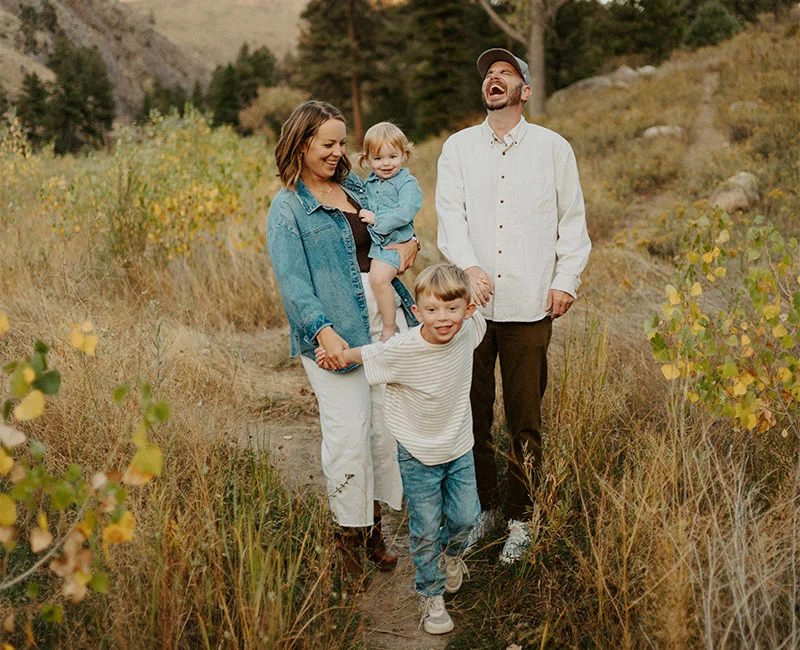
Mackenzie’s mom, Penny Pavel, said her daughter is a “warrior” and a “shining light” who came through a dark and frightening tunnel and continues to give of herself to those in need. One example is the “Check Chain” keychains Mackenzie makes to remind women to get breast exams, with proceeds going toward breast cancer research.
Both Penny and Mackenzie talk about the affection and gratitude they feel for her UCHealth care team: “It was awful as a mother when something like this happens to one of your kids – there was nothing I could do – I couldn’t fix it. But that’s where her amazing team at UCHealth took over.
“She’s been able to help other people starting their cancer and chemo journey. To talk with them, pray with them, or just be with them.”
Life after breast cancer brings new appreciation for everyday moments
Several years out from her cancer struggle, Mackenzie has a new view of suffering and what it’s like to walk with others who are also in pain.
“I’ve learned to be present and quiet with people when needed and show up for them – I am so grateful to have learned that.”
When people say she “beat” cancer, she doesn’t look at it as a “win.”
“I did what any of us would do. Jesus and big pharma healed me. I am so thankful for the gift of every day, to have my family and my support system, and get to do what I do.”
She encourages people to invest in each other and their community and reach across divisions to build connections with churches, schools and neighbors.
With Callie almost 2 and Powell, an active 6-year-old in kindergarten, the couple’s life is filled with kid activities and “the joy of everyday stuff.”
“It’s the ordinary things I am so thankful for,” she said. “When you face mortality and think about how many days you might have left, you appreciate everything. The beauty of a blue jay and a leaf – the small gifts of life we are blessed with. I would never wish a crisis on anyone, but it makes you recognize and appreciate the beauty around us, and how it’s a miracle we are all a part of it.”