
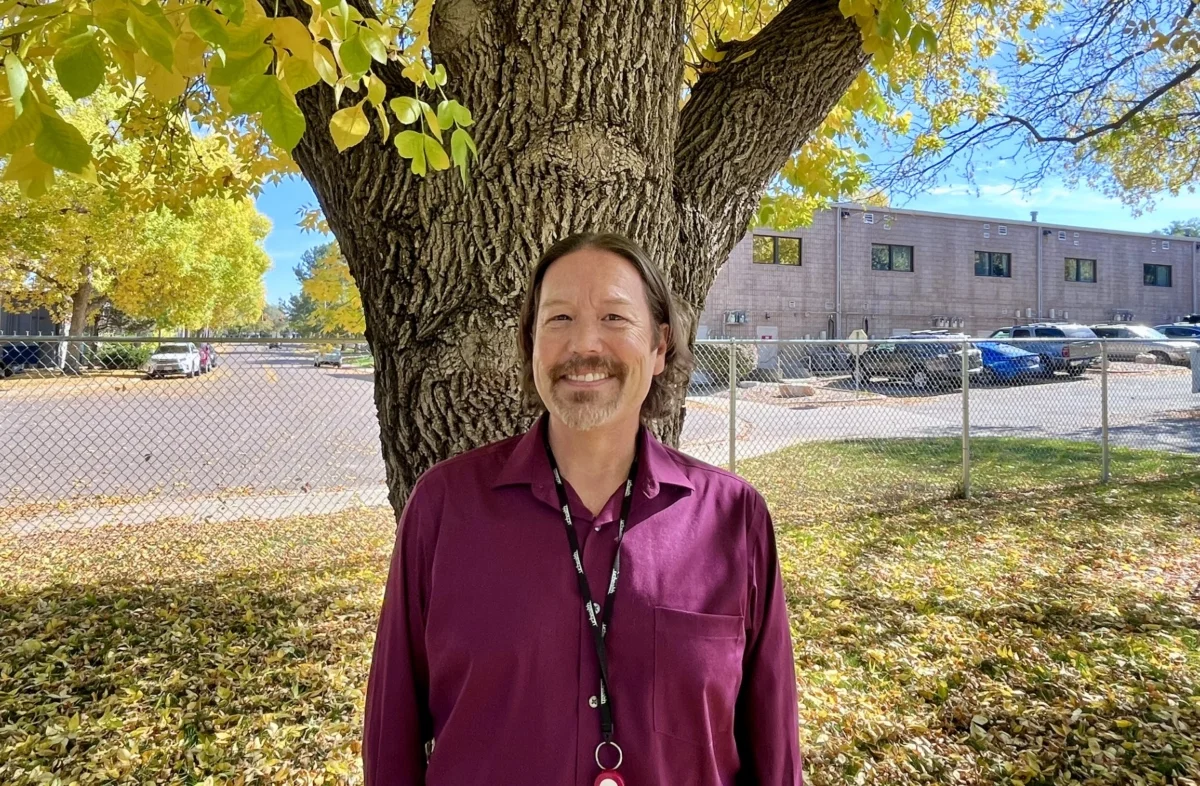
A wingman on the healthcare journey
When a patient struggles to navigate the healthcare system, making progress can take more than an appointment. It can take someone willing to listen, build trust and help clear the path forward.
For one patient facing complex medical and behavioral healthcare needs, as well as barriers to accessing care and resources, Brian Adams, a care coordination specialist with UCHealth Community Health Improvement, knew just how to support him.
The patient, who was referred to the Medicaid Accountable Care Collaborative program, had struggled to communicate his needs, maintain positive relationships with providers and find the support he needed. His history of inappropriate conduct with staff contributed to challenging interactions with providers, which left the patient feeling frustrated and unheard.
Rather than step away, Adams continued to reach out and, over time, became a steady resource.
“I wanted to know him as a person,” Adams said.
That meant creating a space where the patient could speak openly without fear of judgement. It also meant helping him understand how to communicate with healthcare professionals, work through difficult interactions and advocate for his needs.
“People are responsive when you create the space to talk freely,” said Adams.
The work extended beyond medical appointments. Adams connected the patient with a behavioral health provider, and when he began bringing his three-year-old daughter to appointments, Adams helped connect the patient with resources that could support the whole family.
Adams also advocated for the removal of a patient conduct flag that he believed was creating an unnecessary barrier to care. After reviewing the circumstances surrounding an earlier incident, Adams spoke with leadership and ultimately had the flag removed.
Today, the patient is employed, engaged in his healthcare, better connected with community resources and more actively involved as a father and partner.
For Adams, the progress reflects what can happen when someone sees potential instead of defining a patient by past challenges.
“I don’t have a magic wand,” he said. “I’m your support person. I’m your wingman. I can help you hoist your sail, but I’m not steering the ship. The goal is to help patients build confidence, skills and connections to manage their care independently, even after their time in the program ends.”
That work requires patience, collaboration and a willingness to go beyond the initial referral. It also requires believing that change is possible, even when progress is slow.
Adams never lost sight of the patient behind the referral, or the impact of treating people with kindness and dignity. By helping a father build a more stable foundation for himself and his family, he may also change the course of his daughter’s future.
“We do life-changing work,” Adams said. “It takes time and trust.”