
Sean Sindler enjoyed a 20-year career with the U.S. Air Force, serving in Korea, Germany and bases around the U.S. He graduated from Officer Training School and took pride in maintaining communications systems that are vital to keeping airmen ready for combat.
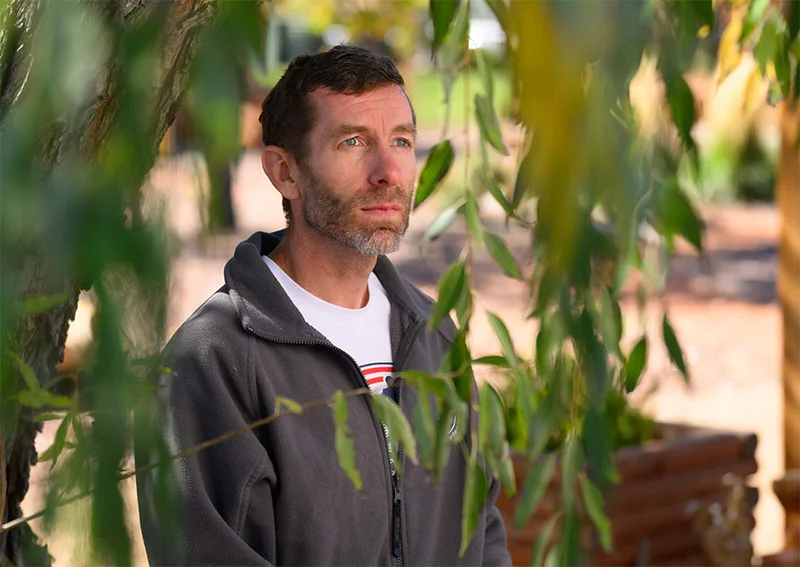
But bouts of depression near the end of his career forced Sindler out of the Air Force. As he transitioned to civilian life in Colorado Springs, he couldn’t keep a job, his marriage ended, and he struggled with mental health issues.
In his worst moments, Sindler considered suicide and questioned his purpose in life.
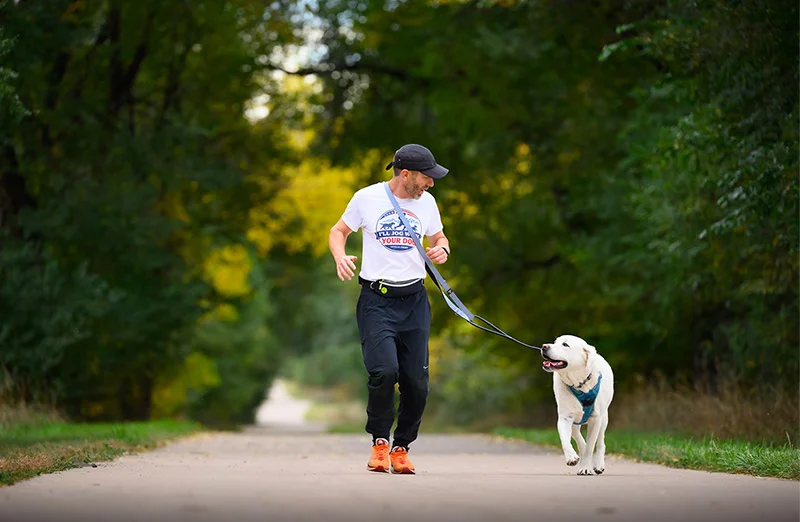
Veterans, therapists and peer mentors from several organizations helped Sindler find new purpose. He now runs a small business, I’ll Jog With Your Dog, and assists other struggling veterans by supporting the programs and people who helped him.
El Paso County is known for its large population of military service members and veterans, but even in this military-friendly community, some veterans struggle with mental health challenges, drug and alcohol addiction, unemployment and fragmented relationships.
The number of veterans in this region who die by suicide each year reflects these struggles. And the area has some of the highest suicide rates in the nation.
In 2021, Colorado lawmakers funded a three-year pilot program called Next Chapter to try to reduce the number of suicides among veterans in southern Colorado by providing streamlined, no-questions-asked support for veterans and their family members.
The program’s approach is intentionally different. Rather than leaving veterans to navigate a complicated and fractured medical and behavioral healthcare system on their own, Next Chapter experts pair veterans with providers and fellow veterans. They also connect former service members with local agencies, where they can receive care and stay committed to alcohol and drug treatment programs.
Next Chapter now has a four-year track record of success, and its all-veteran team has helped drive the rate of suicide among veterans to a 10-year low by providing care and support to more than 1,500 southern Colorado veterans and their family members, including Sindler.
And while suicide rates among veterans remain stubbornly higher than leaders would like, the Next Chapter team has helped ensure that none of its clients has died by suicide.
For Sindler, the support has been life-changing.
“I was in a crisis and low point, career-wise,” he said. “I needed to make a change. Next Chapter enabled me to do that and make the change that I needed for my own mental health. And therapy gave me the confidence to branch out and challenge myself.”
Searching for purpose after military service ends
Sindler enlisted in the Air Force in 1999 after dropping out of college in Florida. Looking back, he believes depression played a role in his decision to leave school after he struggled through his third semester. He had family members who served in the military, and he believed he could finish his degree and find purpose through military service.
“I thought I could serve the country that had been good to me,” Sindler said.
Seek help if your or a loved one is having mental health challenges or thoughts of suicide
- This story includes references to suicide, addiction and other mental health challenges.
- Seek help if you or a loved one is in crisis.
- How to get help: Dial 988 to talk or text with someone from the 988 Suicide & Crisis Lifeline network.
- Help is also available in Spanish.
After basic training, Sindler went to a base in Wyoming to work on missile silos, then served overseas, including a deployment to Iraq in 2004. He earned an undergraduate degree in Asian studies from the University of Maryland while in the military and went to Air Force Officer Training School.
But Sindler’s mental health struggles worsened, and by 2017, he was having thoughts of suicide. Sindler hoped to keep serving in the military, but commanders forced him to retire in 2019 after a military medical board determined he could no longer serve.
After leaving the Air Force, Sindler struggled to find a new career. He got a job teaching and worked as a military contractor. But with each new job, his mental health worsened. He lost five jobs in five years.
Sindler sought help from the U.S. Department of Veterans Affairs (VA), and then from Mt. Carmel Veterans Service Center in Colorado Springs, a Next Chapter partner. He received legal assistance, career coaching and in-person behavioral health counseling, which he credits with helping him finally receive the correct diagnosis of bipolar disorder.
“I needed to find myself and work on myself and find a new purpose,” Sindler said.
Deep military roots dating back to World War II
El Paso County’s deep ties to the military date back to the early 1940s, when U.S. Army leaders established a training post, then known as Camp Carson, at the foot of Cheyenne Mountain in Colorado Springs. Camp Carson later became Fort Carson, home to 24,000 troops, including the 4th Infantry Division and the 10th Special Forces Group, and another 57,000 family members.
The Pikes Peak region is also home to the U.S. Air Force Academy, Peterson Space Force Base, Schriever Space Force Base and Cheyenne Mountain Space Force Station, along with a legion of defense contractors that support their work. Another 95,000 military veterans and 15,000 military retirees live in El Paso County.
While most service members transition out of the military with little difficulty, leaving the military and finding a new purpose can be deeply challenging for others.
Some miss the structure, camaraderie and sense of mission that they had in the military. Others struggle to find employment, or they face difficulties with relationships at home. These losses can lead to financial and legal problems.
Some veterans also cope with post-traumatic stress, traumatic brain injuries and other injuries related to their service, which sometimes lead them to become addicted to painkillers, alcohol or illegal drugs. For these veterans, an addiction can spiral into encounters with law enforcement and the judicial system.
Other veterans struggle to receive care and benefits from the Veterans Administration. Some leave the service with an unfavorable discharge status, which limits their access to resources and benefits, even if a combat injury — like a traumatic brain injury — contributed to their discharge.
Tragically, some veterans are unable to find help and die by suicide or overdose on drugs or alcohol.
A community responds to high suicide rates among veterans
Years of military conflict in the Middle East and elsewhere increased the trauma that active-duty troops experienced, resulting in physical and mental health struggles for some veterans. Suicide deaths among veterans and active-duty service members accounted for 30% of all suicide deaths in the Pikes Peak region in 2021, contributing to broader suicide rates in El Paso County.
State lawmakers who were concerned that veterans were not receiving adequate behavioral healthcare passed Colorado Senate Bill 21-129, establishing a pilot program to reduce the suicide rates among veterans. Gov. Jared Polis signed the bill into law in June 2021, and the state’s Behavioral Health Administration leaders contracted with UCHealth to create and operate Next Chapter.
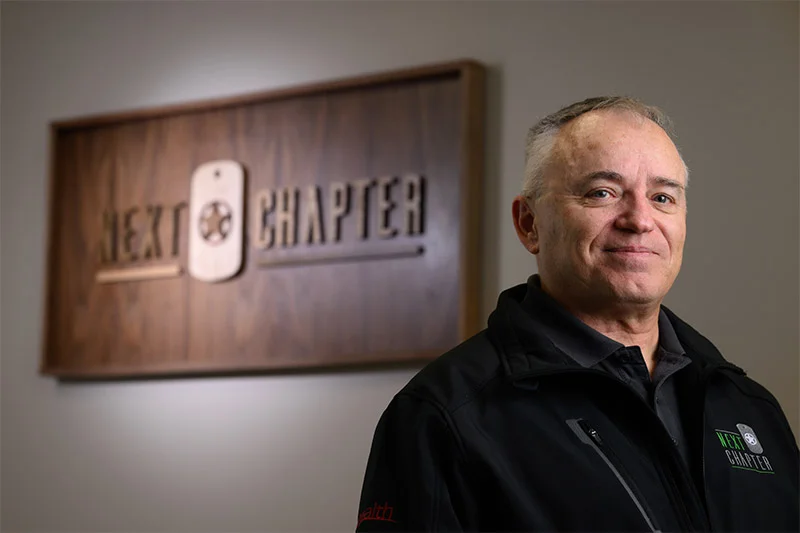
UCHealth leaders drew up plans for Next Chapter and launched a pilot program in mid-2022. Mt. Carmel Veterans Service Center was an important early partner, providing employment assistance, behavioral health and wellness programs, connections to community resources and other services to veterans and their family members.
Next Chapter leaders set a goal to help 700 veterans during the pilot, said Damian McCabe, a military veteran who joined UCHealth to launch Next Chapter days after he retired from the military. McCabe is director of behavioral health and military affairs for UCHealth in southern Colorado.
McCabe and his team designed Next Chapter to ensure that veterans and their family members do not fall through the cracks of the existing network of organizations and agencies.
Next Chapter supports veterans in several crucial ways:
- Veterans and their family members pay no fees for Next Chapter services.
- Next Chapter team members respond quickly, within a couple of days and sometimes hours, to help veterans and their family members, cutting what can be a weeks-long wait for an initial intake appointment elsewhere.
- Next Chapter leaders employ behavioral health experts who are veterans.
- Next Chapter providers make referrals to partner agencies that provide support for housing, employment, addiction treatment, food assistance, child care, transportation, legal services and more.
Next Chapter staffers leverage UCHealth’s extensive reach throughout southern Colorado, while also working closely with a network of community organizations.
Along with Mt. Carmel Veterans Service Center and UCHealth, Next Chapter’s other key partners include the National Alliance on Mental Illness Colorado Springs, Silver Key, the University of Colorado Colorado Springs Veterans Health and Trauma Clinic and Operation TBI Freedom, a program of Craig Hospital.
Building a team of veterans who help veterans
When McCabe helped launch Next Chapter, he knew he needed “unicorns,” as he calls them, to join the team: people with a distinctive combination of military service and behavioral healthcare training, along with a strong desire to continue serving a greater mission. He wanted to create a team of veterans who could help other veterans.
“Service is reinforced every day in the military,” McCabe said. “That sense of service is magnified when you are deployed. The only people you have are the people on your left and the people on your right. That sense of service becomes a very powerful motivator and is reinforced every day.”
Next Chapter team members also possess something that even the most well-meaning civilian doesn’t: an understanding of military culture and what it means to serve, particularly overseas and in war zones.
Active duty troops and veterans also face obstacles in acknowledging and seeking help for mental health challenges and other behavioral health issues, like substance use disorders.
Service members who do seek behavioral health support may have to return to the same duty that caused the problem in the first place or leave the military entirely. That stigma can continue to haunt veterans after they leave the service, making them wary of getting support and help.
McCabe said his team members know the lexicon and culture of military service and are passionate about the concept of carrying out a mission.
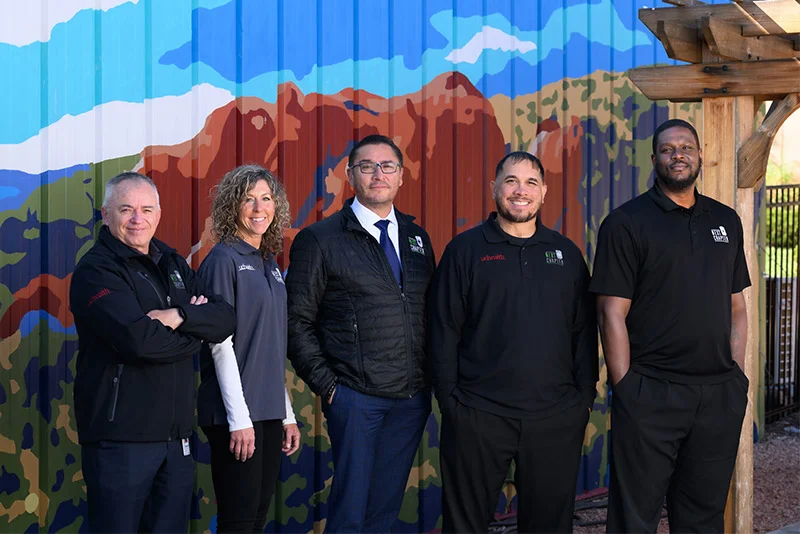
The Next Chapter team has a combined 100-plus years of service across three branches of the military, deep connections to southern Colorado and extensive behavioral health experience and expertise. Every member of the Next Chapter team is a veteran or has a family member who is a veteran or member of the military.
What is Next Chapter, and how are veterans helping other veterans?
- Next Chapter is a Colorado Springs-based community program, which helps veterans and family members navigate the challenges of transitioning to civilian life.
- UCHealth leaders and other community partners launched Next Chapter in 2022 after state lawmakers funded a three-year pilot program to help reduce suicide rates among veterans in Colorado.
- Next Chapter is a no-questions-asked, no-fee program. Veterans and family members can get help with behavioral healthcare and referrals to other community resources.
- Next Chapter providers have helped more than 1,500 veterans and their family members since the program launched in 2022.
- Next Chapter is saving lives. None of the program’s clients have died by suicide since Next Chapter launched, according to the program’s records.
- How to get help: Request services on the Next Chapter website or call 1-888-719-VETS.
The team includes fluent Spanish speakers, veterans who enlisted and those who served as officers. One team member drove a truck in the Army. Another served as a Green Beret. One earned a Purple Heart, one of the military’s oldest and most revered awards.
From Northern Ireland to serving veterans in Colorado
McCabe served 24 years in the military before joining UCHealth.
A native of Belfast in Northern Ireland, he came to the U.S. when he was 20 as part of an international youth program. He then attended college in Maine and Boston and joined the Air Force as conflicts raged in Rwanda, Kosovo and Bosnia. After the Sept. 11, 2001, terrorist attacks, McCabe moved into intelligence operations, then spent time teaching at the Air Force Academy. He transferred to the Army and deployed to Iraq and Afghanistan in the late 2000s, retiring in 2021.
McCabe knew one of the key UCHealth leaders behind Next Chapter when they both served in the Army. That person was Ron Fitch, who served 24 years in the Army, including as garrison commander at Fort Carson, before joining UCHealth. The two reconnected as McCabe was retiring from military service. Fitch is president of UCHealth Pikes Peak Regional Hospital and UCHealth Grandview Hospital.
“I was in my retirement euphoria for about 10 days before UCHealth offered me a position,” McCabe said.
He eagerly accepted the challenge to serve in a new way.
“I knew we could fill gaps and save some lives through Next Chapter.”
For a veteran or family member in crisis, connecting with another veteran establishes immediate rapport and trust, McCabe said.
“They don’t avoid care because they don’t need it but because of the stigma and bureaucratic burden they face,” McCabe said. “The big problem in serving veterans isn’t whether the resources are available. What’s not there is an entry point or a doorway to services that the veteran and their family believe will be effective.
“I needed to find team members who can look across the table and say ‘I have walked in your shoes. I have lived on MREs (meals ready to eat) and been away from my family too many times.’ Having that shared experience allows us to get past the stigma and barriers.”
Removing barriers to mental health services for veterans
McCabe said Next Chapter works because of the immediate and no-questions-asked approach. A veteran or family member can call one number or visit the program’s website and quickly get connected with a therapist and other community resources.
Veterans and family members can get support from Next Chapter regardless of:
- Their ability to pay and employment status.
- Which branch of the military they served in, and for how long.
- What role they had in the military.
- The status of their discharge from the military, and how long ago they left the service.
- Whether they are enrolled in VA benefits.
- Whether they are sober from alcohol, drugs and other substances.
- Whether a veteran’s family member conforms to the traditional definition of family.
Veterans who might be turned away from other organizations can get help from Next Chapter — and quickly.
Southern Colorado veterans receive fresh food, health resources and ongoing support through the annual Heroes Helping Heroes event. And homeless veterans in Colorado Springs find permanent housing and jobs through the Annual Stand Down.
The wait time for an intake meeting through Next Chapter often is two days or fewer. Sometimes, Next Chapter team members can provide same-day help.
For a veteran or family member in crisis and contemplating suicide, the Next Chapter team’s goal is first to answer this question: “What do you need in this moment?”
McCabe said some veterans can’t work on their mental health or substance use problems if they are homeless or don’t have a way to get to a therapy appointment. For them, getting help with housing, transportation, childcare and employment is the first step.
Sometimes, what a veteran needs most is help in navigating the VA bureaucracy and understanding how its rules on enrollment, disability ratings and claims filings work. Other veterans need peer support before deciding whether to take on the substance use disorder they developed to manage the pain of a combat injury.
A Green Beret’s next mission
Every member of the Next Chapter team has his or her own “why” for serving another veteran.
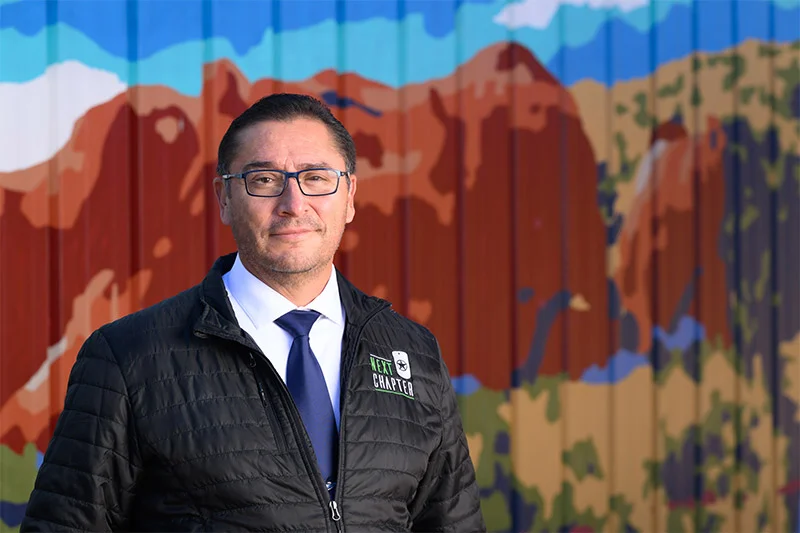
Jose Ramirez’s “why” centers on “paying it forward to the community we serve,” he said.
Ramirez was born and raised in Pueblo. He’s a first-generation American whose parents moved from Mexico to the U.S. Ramirez believed that military service would create opportunities for him after he graduated from Pueblo’s Central High School in the heart of the southern Colorado city.
He enlisted in the U.S. Marine Corps, served four years and then worked in law enforcement in southern Colorado. After Sept. 11, he enlisted in the Army.
“I had to do my part,” he said.
Ramirez served on nine combat deployments to Iraq and Afghanistan as a Green Beret, the elite Army special operations force. He retired from the U.S. Special Operations Command after 25 years of service.
He said he wanted a job and a new purpose after his service in the Army. He earned bachelor’s and master’s degrees in healthcare administration while in the military. A family member who worked for UCHealth connected him with Fitch.
Ramirez joined UCHealth in February 2023 and today develops relationships with providers and organizations in the Pikes Peak region for Next Chapter clients, among other duties. He also launched his own nonprofit, the Pueblo County Veterans Alliance, to coordinate activities around Memorial Day, Veterans Day and other significant events in his hometown.
Ramirez said working with veterans has helped him transition to civilian life.
“I get satisfaction by helping others,” he said. “I see what other people are going through, and I know I’m not alone in this fight.”
A Purple Heart recipient commits to helping fellow veterans
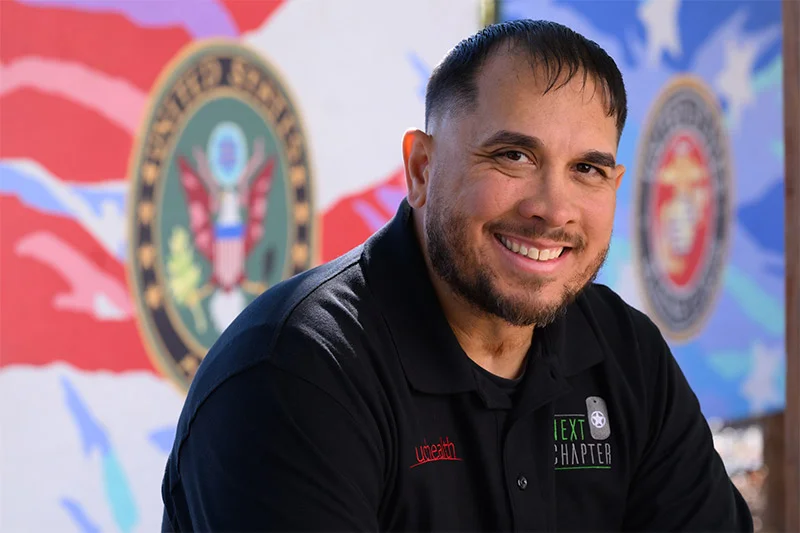
Like McCabe and Ramirez, Miguel Lopez’s military experiences shaped his desire to continue serving fellow veterans, and he sees his own story of service and struggle reflected in the veterans he helps.
Lopez grew up in New York and in Puerto Rico. He enlisted in the Army in 2003 as U.S. military operations in the Middle East surged following 9/11.
“I decided it was time to make a difference and serve this beautiful country,” he said.
Lopez deployed to Iraq three times and earned a Purple Heart after surviving an IED attack in the Sadr City area in Baghdad, Iraq, in 2008.
After separating from the Army later that year, he struggled with a traumatic brain injury and mental health challenges. He said giving up wasn’t an option because he had a family to support.
Lopez worked in corrections while earning associate and bachelor’s degrees in criminal justice from Pikes Peak State College and Colorado Technical University, then a master’s degree in social work from Walden University. He is a licensed clinical social worker and addiction counselor and joined UCHealth in December 2022 as a behavioral health clinical therapist.
“I always wanted to work with veterans,” he said. “It is a passion of mine to give back and use everything I went through after joining the military, going to war and dealing with the transition out.
“This job pushes me every day to help someone. If I can save one person, that’s success.”
Other Next Chapter team members include Lori Montano and Rodger Johnson.
Montano runs UCHealth’s co-response program in southern Colorado, which matches UCHealth behavioral health providers with law enforcement officers to respond to calls for service. Some of those calls involve veterans in crisis or their family members. She raised her family as a military spouse.
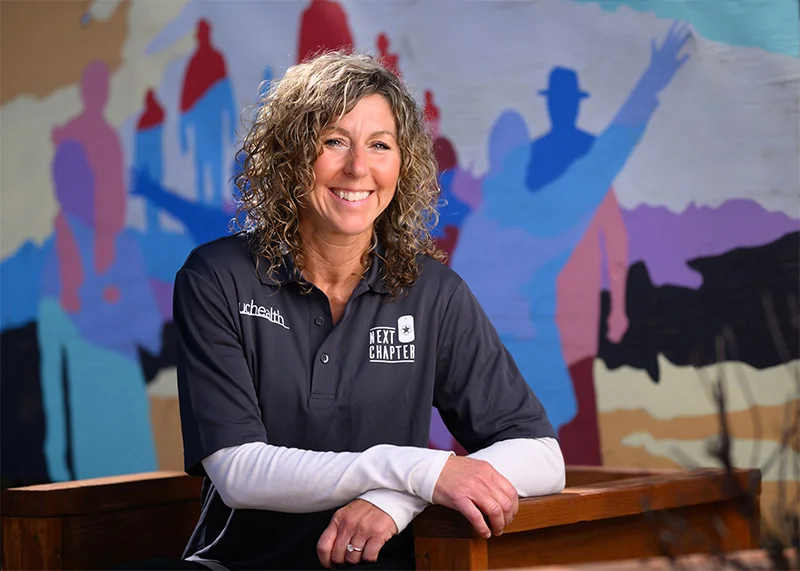
Johnson is a behavioral health provider with Mt. Carmel and serves as a liaison to Next Chapter. Johnson served nearly 12 years in the Army, including five deployments to the Middle East.
Connecting veterans crisis care to long-term mental health support
UCHealth providers are uniquely qualified to help reduce suicides among veterans in southern Colorado, McCabe and other UCHealth leaders said.
UCHealth is the region’s largest healthcare provider, providing emergency care, urgent care, primary care and behavioral healthcare. Veterans in crisis might end up in the hospital emergency department after a suicide attempt or drug or alcohol overdose. A seamless transition to care and support is crucial.
“UCHealth saw a critical need in our community and built a new way to respond,” said Lonnie Cramer, president and chief executive officer of UCHealth in southern Colorado. He served in the Army for eight years. “We brought together healthcare, crisis support, and people with real military and clinical experience to reach veterans before a crisis became a tragedy.
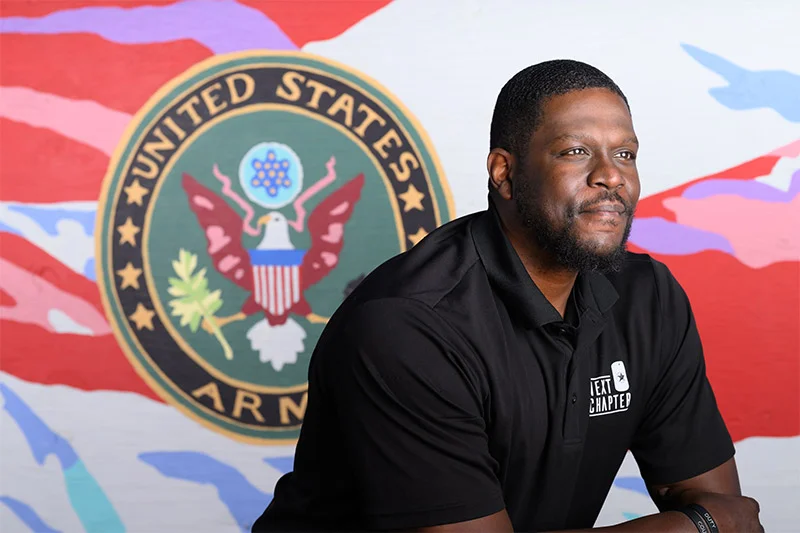
“Our greatest strength is our people, veterans, clinicians, and community partners united by one goal: saving lives. Helping lower the local veteran suicide rate shows what is possible when innovation is matched with compassion and action. As a veteran and leader, I am proud to support this work and ensure our teams have the resources to keep moving forward. This is how UCHealth improves lives, by creating better systems of care when our communities need them most.”
Veterans organization sees encouraging signs of progress
Data from the El Paso County Coroner’s Office show that veteran suicide deaths have declined since leaders launched Next Chapter. While many factors influence suicide trends, McCabe said the figures are encouraging and reflect the combined efforts of healthcare providers, veterans organizations and other community partners who work with veterans and their family members.
One important indicator of success is that no Next Chapter participant has died by suicide since the program launched.
The number of veteran suicide deaths in El Paso County fell to 36 in 2024 from a high of 53 in 2021. During the Next Chapter pilot period, the drop in veteran suicide deaths reflected a 14-year low, according to the Colorado Department of Public Health and Environment’s Colorado Violent Death Reporting System.
Since the launch of Next Chapter, according to a program evaluation by the University of Colorado Denver:
- No Next Chapter clients have died by suicide.
- 77% of clients reported that thoughts of self-harm decreased after getting help from Next Chapter.
- 75% reported that thoughts of suicide decreased.
- 69% reported an improvement in their mental health.
Nationally, veterans died by suicide at roughly twice the rate of non-veteran U.S. adults, according to the VA’s most recent National Veteran Suicide Prevention Annual Report.
In southern Colorado, veterans made up about 30% of all suicide deaths in the region in 2021. After four years of work by the Next Chapter team and other partners, the rate dropped to 23% in 2024 and remained so in 2025, according to the El Paso County Coroner’s Office.
So, the commitment to helping veterans continues, McCabe said.
Writing a new chapter of his own
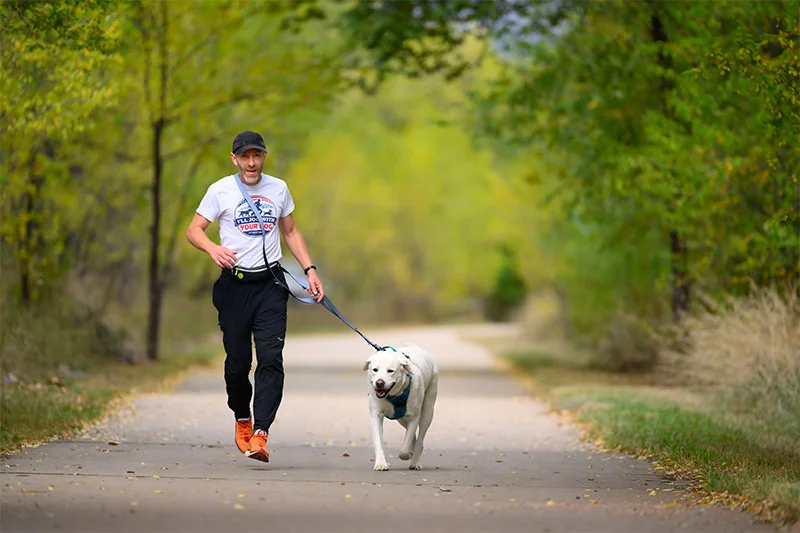
On a warm October morning, Sean Sindler leashed up one of his clients’ dogs. Bon is a white Labrador retriever. His name means “good” in French, and this good boy lives up to his name. He was thrilled to join Sindler for a relaxed run on the Midland Trail in west Colorado Springs, as sunshine filtered through the green and golden leaves of cottonwood trees lining the trail. Sindler patted Bon, and the affection between the two was clear as they gazed at each other during their 30-minute jog.
Sindler launched I’ll Jog With Your Dog in early 2026. He offers trail and road runs throughout Colorado Springs for clients who are too busy or unable to take their dogs outside for exercise. He travels to many of the city’s parks and open spaces each week to run with dogs.
The physical activity benefits both Sindler and the dogs.
Bon runs a casual 15-minute mile. Other canine clients are more energetic, requiring Sindler to pick up the pace. Sindler also offers pet sitting.
The business combines his longtime passion for running with his love for dogs, a model supporters at Next Chapter and Mt. Carmel helped Sindler develop through therapy, classes and other services.
All that support helped Sindler create a new chapter of his own.
“I found my purpose,” he said.
In addition to launching his business, Sindler dove into volunteer work this year. He became president of the Depression and Bipolar Support Alliance Colorado Springs board of directors and a facilitator of a veteran peer support group. He also testified at the state Capitol in support of Next Chapter.
He has a ready answer when anyone asks about Next Chapter and the help it provides to veterans and their family members.
“What this program is doing is incredible,” he said.